
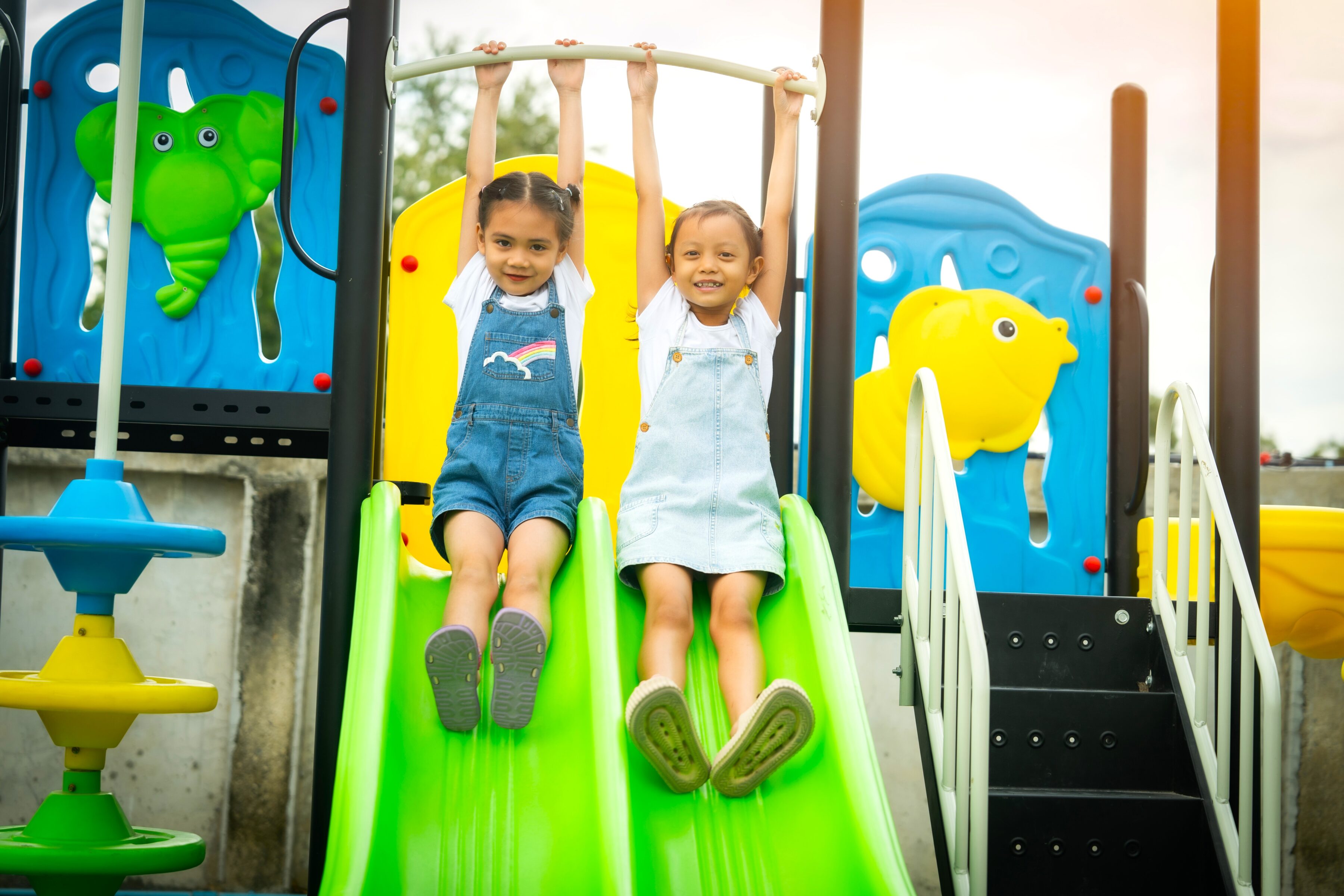

Keeping children active has been shown to support health and learning of all children. When a child begins a new routine, especially one that involves increased physical activity, it can be both a positive step and a new challenge for parents. In this article, SPD physiotherapist Ahmad Iqbal Bin Kamari recommends strategies and activities for children with developmental needs.
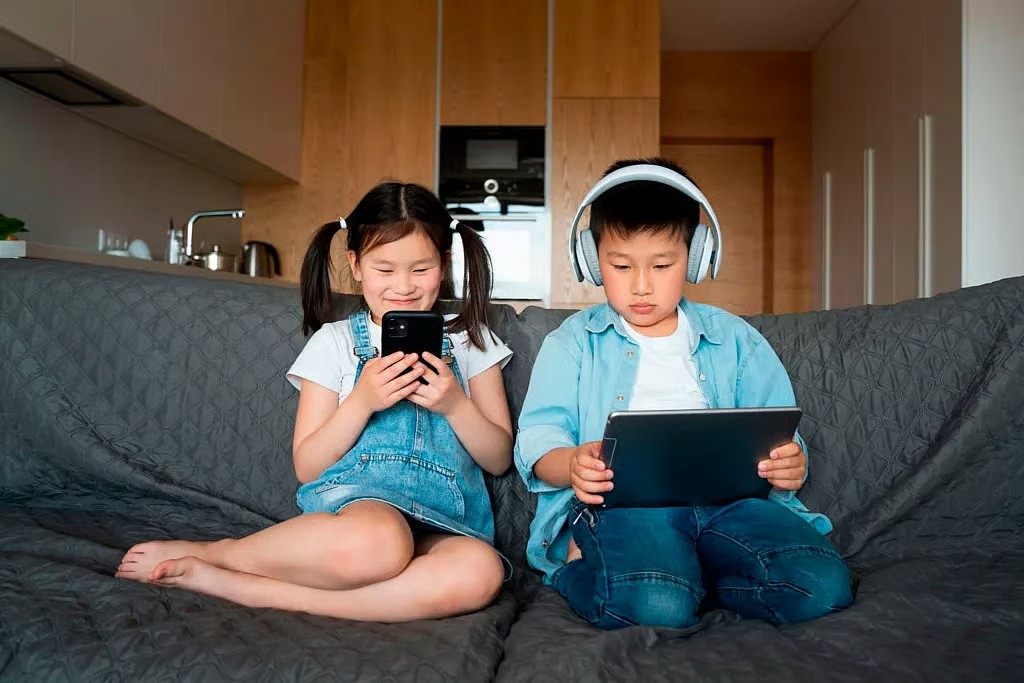
In an age where screen time occupies much of a child’s waking hours, opportunities for movement are often overlooked. However, physical activity is essential to a child’s growth. Prolonged inactivity has been linked to poorer health, reduced academic performance, and an increased risk of challenging behaviours8.
Caregivers play a key role in nurturing healthy movement habits1, and they can create opportunities for the child to be active during daily routines. Staying active can enhance the health and learning outcomes2 of children with developmental needs.
Benefits of physical activity
Activities curated to the child’s age and developmental needs offer a wide range of benefits, including:
- Improved cardiovascular health, supported by participation in moderate-to-vigorous intensity physical activities6.
- Stronger cognitive functioning and motor skills development2.
- Increased levels of a protein found in the brain termed brain-derived neurotrophic factor (BDNF). BDNF supports brain function3.
Recommended levels of physical activity and activity ideas
Children from 1 to 4 years old
Children in this age group are naturally curious and eager to explore their environment.
For 1-year-olds, they may be:
- Learning to crawl and stand.
- Cruising along furniture.
- Walking on flat ground for longer distances.
- Walking on uneven ground and up slopes, with adult supervision.
Caregivers can schedule these activity sessions throughout the day, ideally hitting at least 180 minutes of physical activity per day.
As the child grows older, they may begin to participate in these activities:
- Music and movement.
- Interactive play with adults, peers or siblings through activities such as hide-and-seek or pretend play.
- Supervised play in a soft-padded playroom.
- Balloon badminton play, ball kicking and makeshift home bowling.
- Movement-based pretend play such as animals’ actions such as “bear walk”, “penguin walk”, or “kangaroo jumps”.
- Outdoor exploration such as walking in parks with slopes or grass fields.
Children aged 3 to 4 years old should have at least 60 minutes of physical activity involving moderate to vigorous intensity 4,10.
Children 5 to 6 years old
Children in this age category develop greater physical confidence and co-ordination. They will require at least 60 minutes of moderate-to-vigorous aerobic activity daily. Vigorous-intensity activities include muscle- and bone-strengthening activities that are suitable for children of this age, and such sessions should be scheduled at least three times per week to build muscle strength and strong bones4,11.
At this stage, they can:
- Play catch or simple ball games with friends in school or at the playground.
- Join parents for longer outdoor walks such as visits to parks, zoos or interactive museums.
- Explore sports such as football or swimming.
- Build on existing play skills to strengthen their fitness, coordination and balance.
- Play indoor games such as Twister to develop their balance and body strength.
- Kick a ball outdoors on grass fields or clear corridor spaces, with proper footwear, to improve balance and co-ordination.
- Visit playgrounds with parental supervision to improve physical endurance and co-ordination.
Children with limited mobility
Children with limited mobility can also participate meaningfully in physical activities when provided with appropriate support and adaptations. Standing with assistance or using assistive devices is also considered a meaningful form of physical activity for them. These activities can support bone health while creating opportunities for social integration5.
Suitable activities include:
- Standing by the coffee table at home to complete age-appropriate puzzles, play with building blocks, or pretend play with cooking toys, etc.
- Standing and wiping tables after mealtimes.
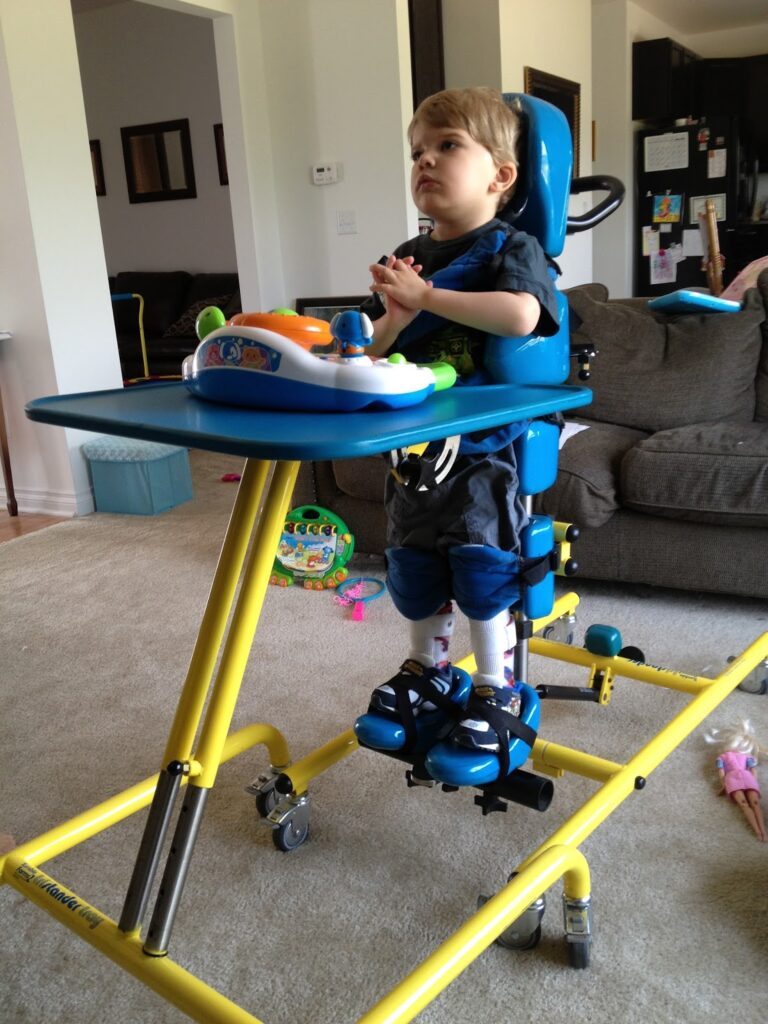
- Using a stander or furniture support to reach for toys or sing along to songs.
- Going for a short and comfortable distance around the neighbourhood in a walker, and visiting a nearby shop or a place of interest.
- Sitting on a swing with support from an adult.
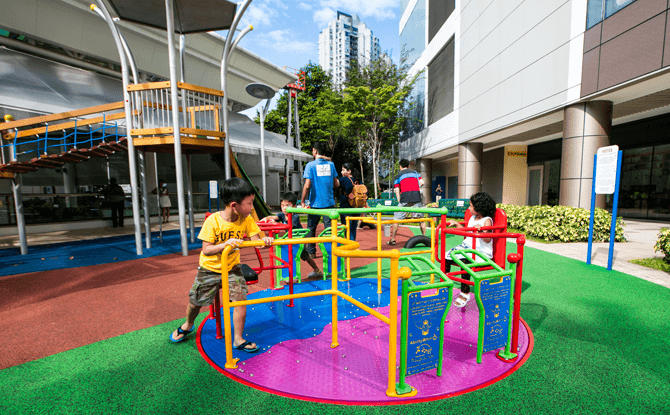
- Visit an inclusive playground. Do note that close supervision and appropriate assistance are required. You may refer to this article here for some suggestions on inclusive playgrounds and activities.
Additional outdoor safety tips
Before heading out, do ensure you have the following:
- Put on sun protection.
- Check the weather ahead of time.
- Appropriate light clothing.
- Hydration.
- Proper footwear.
- Close supervision.
Fun Fact: Understanding different activity intensity
- Light intensity: Your child can comfortably engage in a full conversation, similar to chatting easily while walking around a shopping mall.
- Moderate intensity: Your child can speak, but only with a few words or short phrases.
- Vigorous intensity: Your child is breathing hard and finds it difficult to talk.
For children who are not communicating using words, you can observe their breathing effort, breathing rate and facial appearance as important cues! Early intervention professionals also look at how easily a child performs an activity and adjusts it as needed to keep it safe and appropriate.
Parents are encouraged to check in with their child’s early intervention team for guidance on appropriate activities, including the duration and intensity level to start with. This article is intended for general guidance and is not prescriptive.
Aligning activities with their abilities and interests
Ultimately, what truly matters is finding meaningful ways to help children move more – through activities that align with their abilities and interests. They can be incorporated through routines such as play, leisure, learning, or planned activities including playground time, walks, or sports. For children with limited mobility, specific plans may be developed with their physiotherapists and early intervention teachers to create opportunities to promote rolling, sitting, crawling, sit-to-stand and standing etc. As children engage with their world through movement and sensory exploration, they often surprise us with what they can achieve.
Cover photo credit: Shutterstock
References
- Hesketh, K. R., Lakshman, R., & van Sluijs, E. M. (2017). Barriers and facilitators to young children’s physical activity and sedentary behaviour: A systematic review and synthesis of qualitative literature. Obesity Reviews, 18(9), 987–1017.
- Jylänki, P., Mbay, T., Hakkarainen, A., Sääkslahti, A., & Aunio, P. (2022). The effects of motor skill and physical activity interventions on preschoolers’ cognitive and academic skills: A systematic review. Preventive Medicine, 155, 106948.
- Latomme, J., Calders, P., Van Waelvelde, H., Mariën, T., & De Craemer, M. (2022). The role of brain-derived neurotrophic factor (BDNF) in the relation between physical activity and executive functioning in children. Children, 9(5), 596.
- Loo, B. K., Sirisena, D., Müller-Riemenschneider, F., Chia, M. Y., Tan, B., Tan, N. C., Teoh, O. H., Lim, E. J., Zainuddin, M. A., Gao, J. S., Chan, P. C., Tan, T. S., Visruthan, N. K., Rajadurai, V. S., Chia, M. S., Ahmad Hatib, N. A., Cai, S., Ong, J. L., Lo, J. C., … Lee, Y. S. (2023). Consensus statement on Singapore integrated 24-Hour activity guide for early childhood. Annals of the Academy of Medicine, Singapore, 52(6), 310–320.
- McLean, L. J., Paleg, G. S., & Livingstone, R. W. (2022). Supported‐standing interventions for children and young adults with non‐ambulant cerebral palsy: A scoping review. Developmental Medicine & Child Neurology, 65(6), 754–772.
- Proudfoot, N. A., King-Dowling, S., Cairney, J., Bray, S. R., MacDonald, M. J., & Timmons, B. W. (2021). Physical activity and trajectories of cardiovascular health indicators during early childhood. Pediatric Collections: Sports Medicine Playbook, 277–287.
- Stanczykiewicz, B., Banik, A., Knoll, N., Keller, J., Hohl, D. H., Rosińczuk, J., & Luszczynska, A. (2019). Sedentary behaviors and anxiety among children, adolescents and adults: A systematic review and meta-analysis. BMC Public Health, 19(1).
- Tremblay, M. S., LeBlanc, A. G., Kho, M. E., Saunders, T. J., Larouche, R., Colley, R. C., Goldfield, G., & Gorber, S. (2011). Systematic review of sedentary behaviour and health indicators in school-aged children and Youth. International Journal of Behavioral Nutrition and Physical Activity, 8(1), 98.
- Tsang, S. M., Cheing, G. L., Lam, A. K., Siu, A. M., Pang, P. C., Yip, K.-C., Chan, J. W., & Jensen, M. P. (2023). Excessive use of electronic devices among children and adolescents is associated with musculoskeletal symptoms, visual symptoms, psychosocial health, and quality of life: A cross-sectional study. Frontiers in Public Health, 11.
- World Health Organization. (2019). Guidelines on physical activity, sedentary behaviour and sleep for children under 5 years of age. World Health Organization.
- World Health Organization. (2020). WHO guidelines on physical activity and sedentary behaviour. World Health Organization.
- Zeng, N., Ayyub, M., Sun, H., Wen, X., Xiang, P., & Gao, Z. (2017). Effects of physical activity on motor skills and cognitive development in early childhood: A systematic review. BioMed Research International, 2017, 1–13.