

Shower time is more than just a daily necessity. This routine represents meaningful family rituals that provide context, structure, and frequent opportunities for rich social interactions that can support early social-emotional development (Ibañez et al, 2018). It also allows children to explore, play and learn in a sensory-rich environment. SPD’s occupational therapist Clara Chang shares strategies on how parents can turn shower time into a nurturing and enjoyable part of their child’s day.
Common challenges faced during shower time
Some common challenges that children face during shower time include a fear of water getting into eyes, ears or nose, as well as discomfort with the unfamiliar sensation of running water. Tipping their head back to wash their hair can also feel unsettling. In addition, they may be sensitive to bright lights, changes in water temperature, or the loud echo of running water in the bathroom.
Strategies to improve the shower experience

To address these challenges, parents first need to understand and respond to their child’s specific sensory preferences. Here are some strategies that parents can adapt:
If the child is uncomfortable with water on their face:
- Consider using a pail and scoop for controlled rinsing
- Wearing goggles, water guard or shower cap for more security
If the child does not like to tip his/her head back:
- Fun decals or stickers on the walls and/or ceilings can provide an engaging distraction
If the child is afraid of loud or overwhelming noises:
- Soften the environment with rugs, towels and wall decorations
- Play their favourite calming music to create a soothing backdrop
If the child is sensitive to bright lights:
- Dim the bathroom lighting
- Use soft, coloured bulbs to create a calm atmosphere
If the child is sensitive to water temperature or texture:
- Ensure that the water is at a comfortable temperature
- Add bath salts or essential oils for a soothing touch
These changes can help parents create a more inviting and stress-free shower environment.
Incorporating fun and learning during shower time
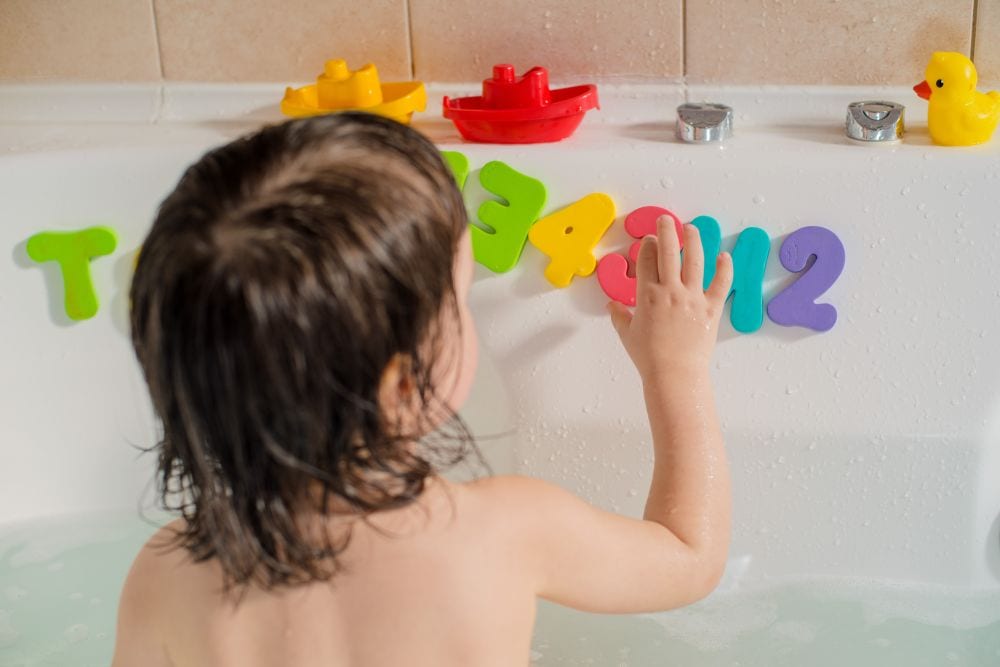
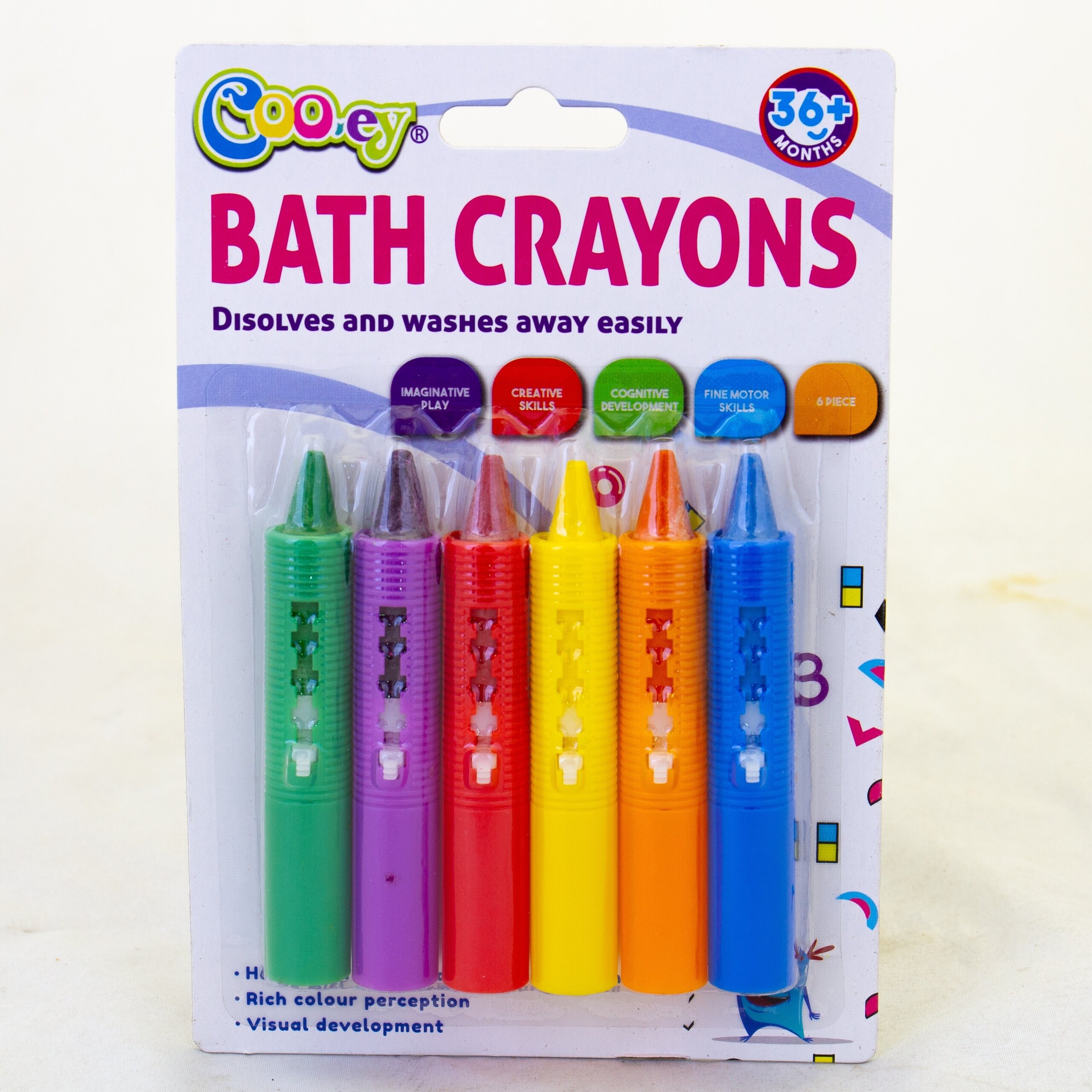
Incorporating play during shower time motivates children to explore objects, engage in pretend play and interact with their siblings or parents. Additionally, bath toys such as soap crayons or floating boats can enhance co-ordination, play skills, and social interaction. Parents can encourage creativity by using these toys as props to tell their children a story.
Other ways to embed fun and learning opportunities include introducing foam letters. As parents call out a word, children can search for the letters to spell it out. Another activity is to freeze the child’s favourite toys and melt them with the bath water to retrieve the toys.
Ultimately, successful shower time is about adapting the experience to suit the child’s needs while fostering a sense of fun and discovery. From the warmth of the water and the scent of soap to the sounds of splashing and laughter, shower time can be a multisensory experience that strengthens emotional connection (Greener, 2015).
With a little creativity and patience, parents can transform this everyday routine into a cherished experience. Start today by experimenting with these strategies and watch as shower time becomes a favourite part of their day!
References
Case-Smith, J. & O’Brien, J. C. (2010). Occupational Therapy for Children (6th Ed.). Elsevier.
Greener, M. (2015). Bath time: More than good clean fun. British Journal of Midwifery, 23(6), 402–405.
Ibañez, L. V., Kobak, K., Swanson, A., Wallace, L., Warren, Z., & Stone, W. L. (2018). Enhancing interactions during daily routines: A randomized controlled trial of a web-based tutorial for parents of young children with ASD. Autism research: official journal of the International Society for Autism Research, 11(4), 667–678.
Koscinski, C. (2013). The Pocket Occupational Therapist for Families of Children with Special Needs. Jessica Kingsley Publishers.
Mayes, S. D., Calhoun, S. L., Aggarwal, R., Baker, C., Mathapati, S., Molitoris, S., & Mayes, R. D. (2013). Unusual fears in children with autism. Research in Autism Spectrum Disorders, 7(1), 151–158.
NP Istanbul Brain Hospital. Fear of Bathing in Children.
Laura Petix, What to do when your toddler hates bath time.
NHS Borders, Meeting your Child’s Sensory Needs – Bathing, Showering and Hair Washing