When paramedic Nur Azhar Hanafiah experienced a stroke during a night shift, he recognised the warning signs. Ahead of World Stroke Day on 29 October, he shares how the experience changed his approach to health, and what he hopes others will learn from it.
The night he became a patient
During a night shift in June 2025, Azhar was attending to an injured patient at a road traffic accident when the right side of his body suddenly felt “lightweight”. Within seconds, he could no longer move his right leg or grip equipment with his right hand.
“Using the F.A.S.T method, I realised I was having a stroke,” recalled Azhar, who was 32-years old at the time. “Even though my speech wasn’t noticeably slurred, I could feel that speaking was becoming difficult.” He initially suspected vasovagal hypotension, a sudden drop in his blood pressure, but his blood pressure reading was dangerously high.
Azhar quickly instructed his crew to take over patient care, requested a second ambulance for the accident victims, and arranged for an ambulance to convey him to the hospital.
“At first, my crew thought I was joking with them until they saw that I was in distress,” said Azhar. Although his symptoms subsided after five minutes, he knew he still needed urgent medical attention, in case it was a minor stroke, also known as transient ischemic attack.
“I never thought it would happen to me”
Before the stroke, Azhar believed he was healthy. His annual medical check-ups had raised no red flags, giving him little reason to think otherwise.
Blood test after the stroke told a different story. His LDL, or “bad” cholesterol, was dangerously high, putting him at increased risk of stroke or heart attack. The hospital dietician explained that cutting down on rice and sugar alone was not enough. He also needed to eat more green vegetables and lean protein to improve his cholesterol levels.
What recovery looked like
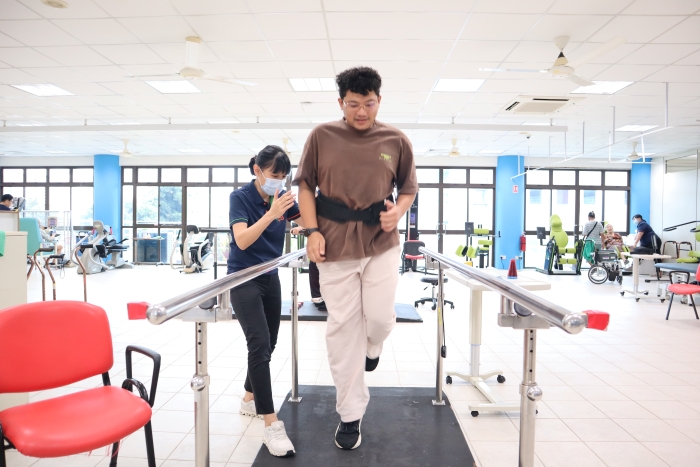
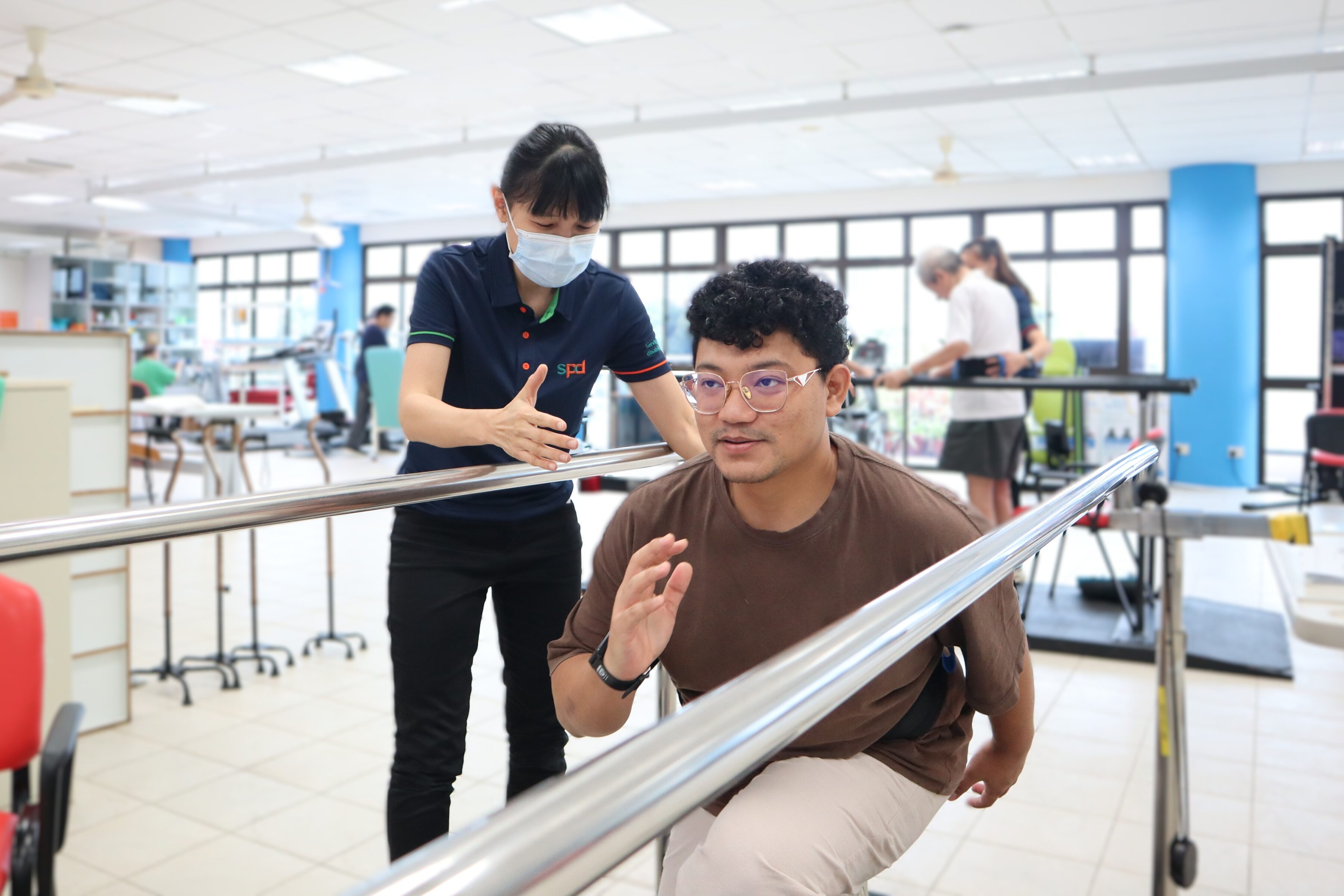
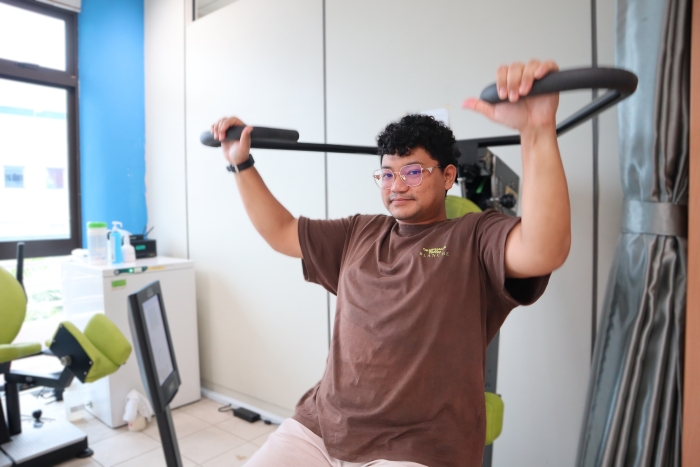
Azhar was diagnosed with a left basal ganglia ischaemic stroke, which can affect motor functions, speech and cognitive processes. His doctor recommended physiotherapy and occupational therapy to help him regain strength and movement, along with cholesterol-lowering medication, a low-salt diet and weekly cardiovascular exercise.
Recovery would take time, but Azhar was committed to find a new normal. Before his stroke, he loved to dance. With consistent therapy, he was able to dance as he had before, though it took a little more effort. Throughout his recovery, his healthcare team, counsellors and colleagues encouraged him to not be afraid to reach out for help and deal with problems alone.
What he does differently now
Reducing his risk of another stroke is now a daily priority, as Azhar works to make healthier habits second nature.
He includes green vegetables in every meal, takes a brisk walk for at least 30 minutes daily, eats smaller portion of rice, and avoids fried and sugary foods. These changes are tailored to his recovery, and improvements in his strength and motor response keep him going.
Reflecting on his experience, Azhar urges others approaching their late 20s or 30s to go for health check-up, even if they feel well.
“There’s no harm in being sure and detecting underlying diseases early, given our stressful lifestyles,” said Azhar. “Any disease or sickness can still happen, no matter how we want to avoid. Coming to terms to a diagnosis is not easy, but acceptance can help us process grief. It’s not easy to experience such events, but we need to move forward. Take this time to rediscover ourselves and build stronger emotions and resilience.”
Recognise stroke symptoms and think F.A.S.T.
- F – Face drooping: Ask the person to smile. Does one side of the face droops?
- A – Arm weakness: Ask the person to raise both arms. Does one arm drift down or feel weak?
- S – Speech difficulty: Ask the person to repeat a simple sentence such as “the sky is blue”. Is their speech slurred or unclear, or do they have difficulty speaking?
- T – Time to call 995: If someone shows any of these symptoms, even if they disappear quickly, call 995 immediately.